Security for UK sites and premises
What Does a Door Supervisor Do and When Do You Need One?
7 November 2026
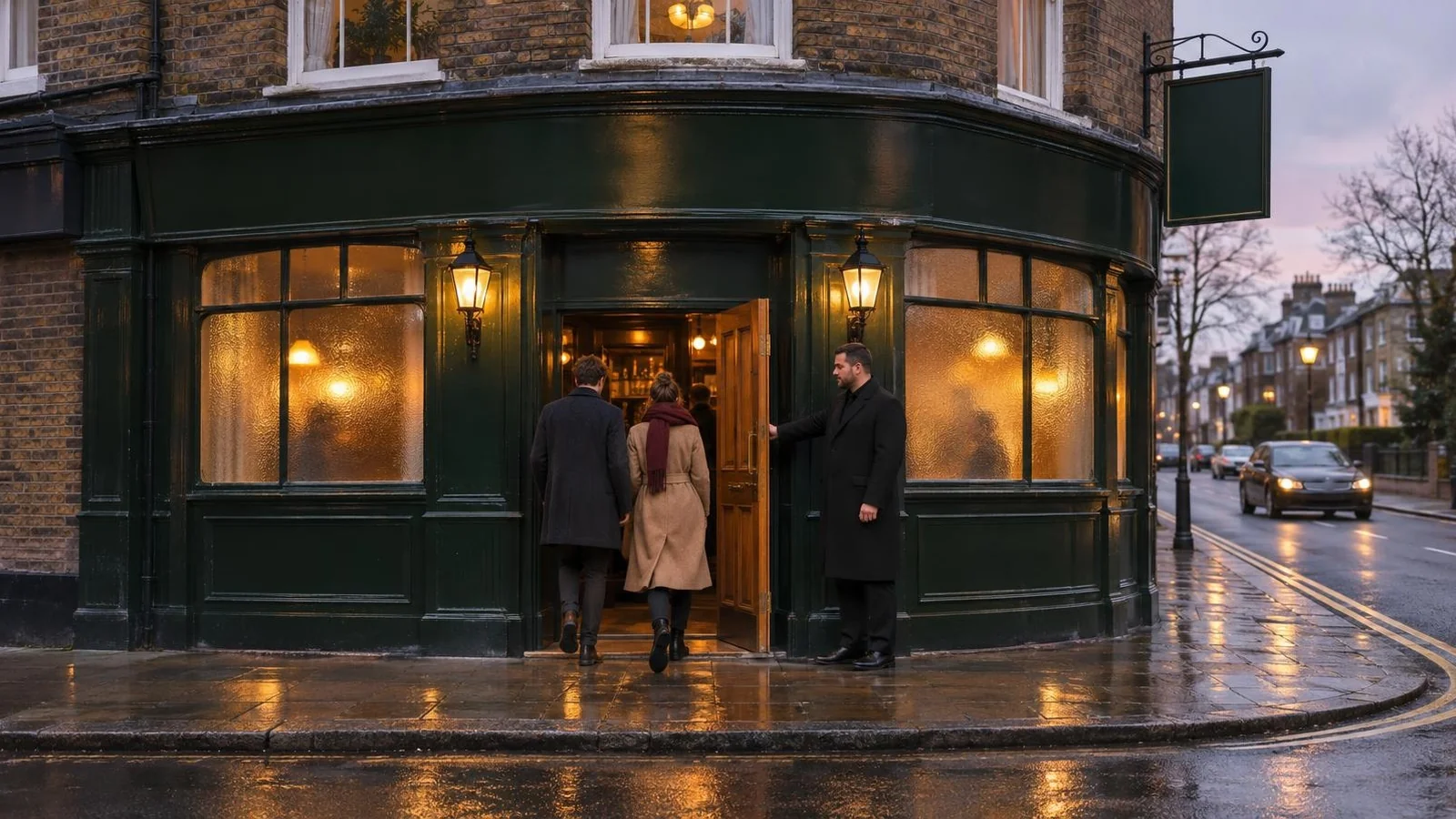
What does a door supervisor do and when do you need one? A door supervisor is an SIA-licensed officer who guards licensed premises by controlling entry, preventing disorder and dealing with incidents. You need one if your premises licence requires it, and you should think seriously about one if your own risk assessment points that way.
Quick answer: A door supervisor in the UK is a licensed professional who controls access, monitors behaviour and handles incidents at licensed premises. You need one when your premises licence requires it, and anyone doing this work at licensed premises must hold an SIA door supervisor licence.
Key Takeaways
Your premises licence is the first place to look: it may require door staff at set times.
Anyone guarding licensed premises needs a door supervisor licence, even if you employ them directly.
Stewards who only direct people or check tickets don't need a licence, but refusing entry changes that.
A licence lasts three years and costs £204 to apply for or renew.
Renewing a door supervisor licence now needs refresher training.
What does a door supervisor do? Duties and legal responsibilities
The core job is keeping a venue safe and orderly. That usually means managing queues, checking ID, refusing entry to people who are underage or drunk, spotting trouble early and dealing with incidents. Good door staff calm most problems down with words long before anything becomes physical.
They also work with venue staff and the police, help during evacuations and write up incidents. Before you hire anyone, our security buyer’s checklist covers the basic checks to make.
The licence and what it means
Anyone who guards licensed premises against damage, theft, unauthorised access or disorderly behaviour needs an SIA door supervisor licence. This applies whether they work for a security company or for you directly. The Security Industry Authority (SIA) runs the licensing, and the licence also lets the holder work as a security guard.
Door supervisors must wear their licence where it can be seen while on duty. You can check any licence on the SIA's public register of licence holders.
When do you need a door supervisor?
Licensed premises: what the rules say
No law says every pub or club must have door staff. In England and Wales, the question is usually whether your premises licence requires them. Where it does, the Licensing Act 2003 says those people must be licensed under the Private Security Industry Act 2001, subject to a few exceptions.
For SIA purposes, 'licensed premises' means a venue licensed to sell alcohol for consumption on site or to provide regulated entertainment. The door supervisor licence applies when it's open to the public and alcohol is being supplied or entertainment is being provided. Scotland and Northern Ireland have their own licensing systems, so check with your local licensing board or council.
Other venues and events
Even if your licence doesn't require them, door staff can make sense if you expect big crowds, late finishes or a risk of trouble. At unlicensed sites, someone supplied under a contract to guard against disorder needs a security guard licence instead, and our article on what to expect from security guards covers that role.
Not everyone at an event needs a licence. The SIA says you don't need one to direct people to their seats or to check that people have paid, but you do if you then refuse them entry or make them leave. Its page on licences for event staff (GOV.UK) has the full rules.
How to become a door supervisor: qualifications and training
What qualifications do door supervisors need?
Applicants must be 18 or over and need a licence-linked qualification from an approved training provider. They must hold a first aid qualification before they start that training. They'll then need to pass the SIA's identity and criminal record checks, and in most cases they must have the right to work in the UK.
Course lengths and prices vary between training providers, and the SIA doesn't run courses itself. The licence application fee is £204, and a licence is valid for three years.
Renewal and refresher training
Door supervisors must now hold a refresher qualification to renew. It became mandatory on 1 April 2025 and covers searches, physical intervention, protecting people in vulnerable situations, including spiking, and terror threat awareness. Some go on to supervisory roles, or take further training in areas such as close protection.
Door supervisors, bouncers, stewards and guards
The difference between a door supervisor and a bouncer
There isn't a legal one. 'Bouncer' is the everyday word for the same job, not a separate role with lighter rules. The useful comparison is between the different people you might have on site.
Role |
Typical work |
SIA licence needed? |
|---|---|---|
Door supervisor |
Guards licensed premises: entry control, disorder, incidents |
Yes, even if employed in-house |
Security guard |
Guards other premises or property |
Yes, if supplied under a contract |
Steward |
Directs people to seats, toilets or first aid, checks tickets |
No, unless they refuse entry or make people leave |
Why compliance matters
Supplying unlicensed door staff is a criminal offence under the 2001 Act, with up to five years in prison in the most serious cases. If your premises licence requires door staff, you also need to meet that condition, so don't leave it to chance. Checking the register takes very little time.
Best practices for hiring and managing door supervisors
When to hire a door supervisor: key considerations
Start with your premises licence, then look at your venue's size, the type of event and what's happened there before. Carry out a risk assessment and speak to your local licensing officer if you're unsure. The number you need will depend on those answers, and your licence may set it for you.
Look for experience, good communication and evidence of training. If you're going through a security company, our guide on how to choose a security company covers approved contractor status, references and contracts.
Managing your door team
Set clear expectations on behaviour, appearance and reporting, and keep good records of who worked and what happened. Door staff can also use CCTV to guard against unauthorised access, damage or theft, so if they're viewing your cameras, read what the CCTV rules ask of you.
If you have a question, get in touch with our team.
Frequently Asked Questions
Do I need a door supervisor at a private event?
It depends on the venue and the work. At licensed premises, the licence rules apply when the premises are open to the public and alcohol is being supplied or regulated entertainment is being provided. Elsewhere, anyone supplied under a contract to guard against disorder needs a security guard licence, while unpaid volunteers don't need one.
Is a door supervisor the same as a bouncer in the UK?
Yes, in practice. 'Bouncer' is an everyday word, not a legal job title. If someone guards licensed premises, they need a door supervisor licence, whatever you call them.
How many door supervisors do I need for my venue?
Start with your premises licence, which may set a number or conditions. The SIA's licensing guidance doesn't set one number for all venues, so use your risk assessment and speak to your local licensing officer if you're unsure.
Do door supervisors need first aid training?
Yes. They must hold a first aid qualification before they can take the door supervisor training, and it must be valid for at least another 12 months. The same applies to the refresher course needed to renew a licence.
Where can I get more information on door supervisor licensing?
The SIA publishes its licensing rules on GOV.UK. For questions about your own premises, speak to your local licensing officer, and for legal advice ask a solicitor.
Your next step is to read your premises licence, then work through our buyer’s checklist for UK sites before you speak to suppliers. Rules change, so check the official sources before you make a decision.